About us
get to know the team
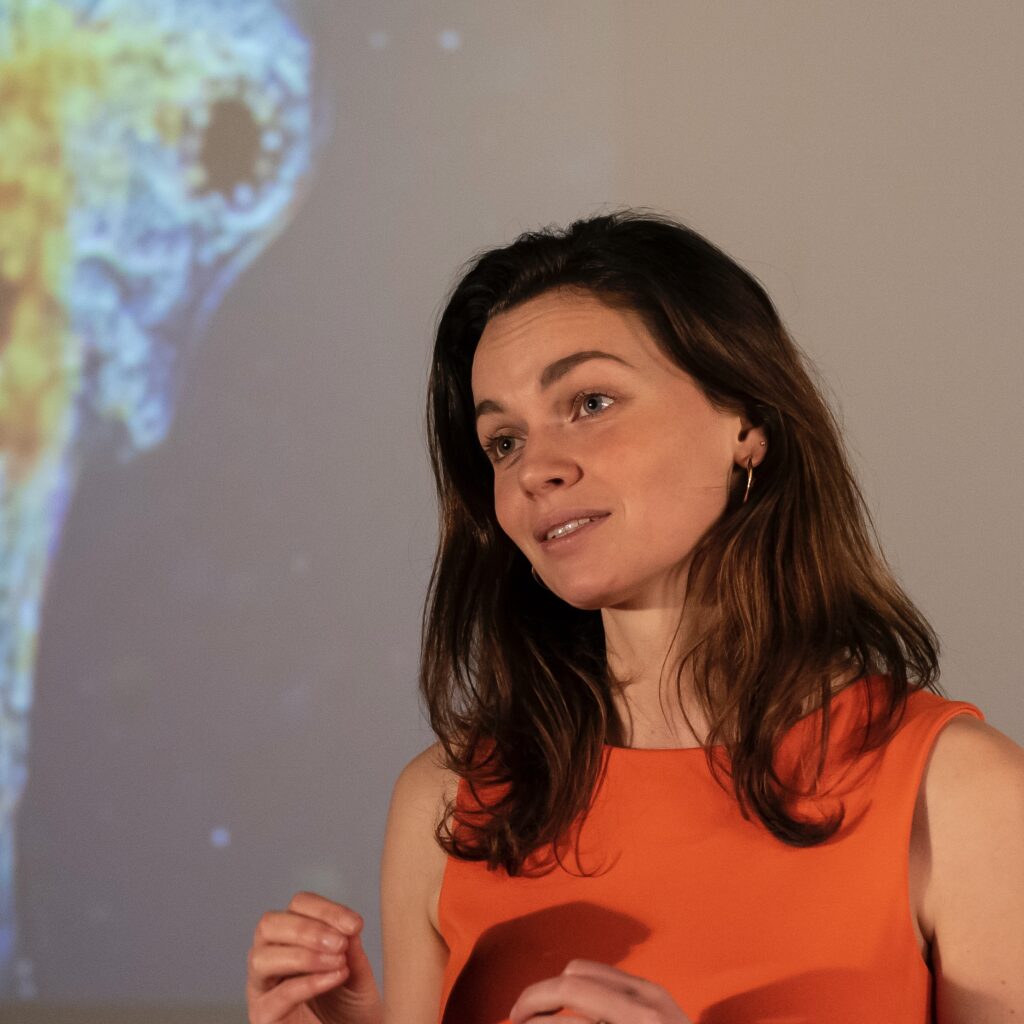
Dr. Jana Isanta-Navarro
I am a Tenure-Track Assistant Professor in Freshwater Ecology at the University of Copenhagen. I am most fascinated by the interplay of ecological and evolutionary processes in lake ecosystems. Especially the lower part of the food chain, from nutrients via phytoplankton to zooplankton is in the focus of my research. With my research, I want to contribute to our understanding of some of the challenges our freshwater ecosystems are facing, now and in the future.
Postdocs
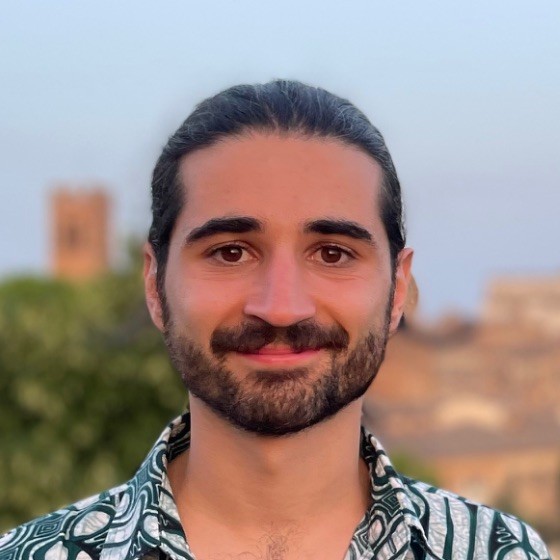
Dr. Emanuele Giacomuzzo
Over the years, I’ve found it fascinating answering ecological questions using a variety of different approaches, from scouting for leaf monkeys in the Sumatran jungle, to spending eight hours a day in front of my computer modelling species interactions, to locking myself into the lab manipulating protist cultures. Now I want to bring all these skills together for my postdoc research. I’m focusing on a specific but important problem: what happens when cyanobacterial blooms take over ponds. These toxic algae blooms are becoming more common, and they can hurt the insects that emerge from ponds and fly to land. This could potentially break a crucial link between aquatic and terrestrial ecosystems. I will conduct this research as part of the CyaNoServices project.
PhD Students
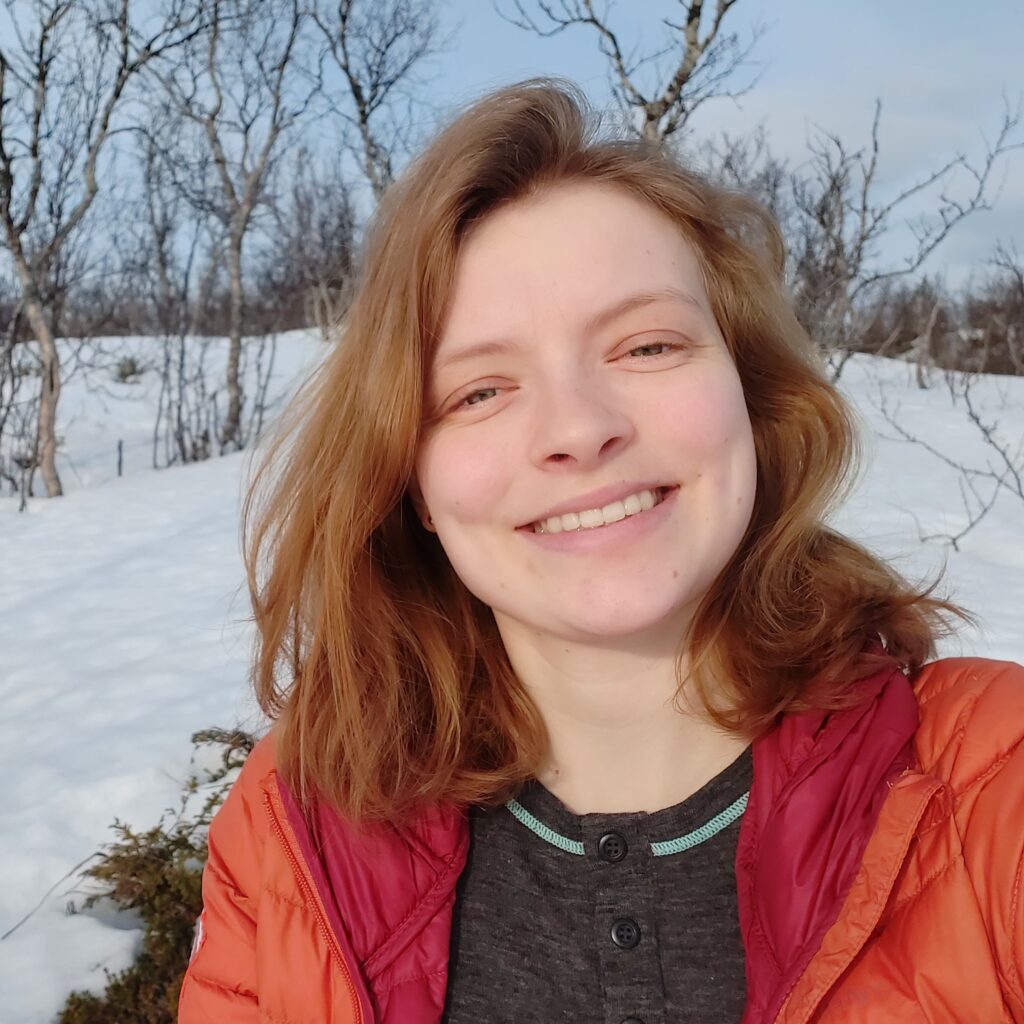
Claudia Lassen
I hold a Bachelor and Master degree in Biology from the University of Copenhagen and specialised in ecology throughout my studies. I am generally interested in freshwater and marine ecology, and botany, but especially phytoplankton. I really like phytoplankton! For my PhD research I will assess changes in key-ecological traits that not only impact the fitness of phytoplankton itself but are also of nutritional importance to higher trophic levels. For that, I will experimentally examine ecological and evolutionary changes of more than 40 different phytoplankton species to several environmental gradients. I look forward to getting the first data, as I really enjoy data visualisation and statistics.
Vana Paida
I hold a Bachelor degree from the National and Kapodistrian University of Athens and a Master degree from Uppsala University. Previously, I have participated in projects revolving around evolution and ecology, as well as their intricate interplay. While I’m always fascinated by studying evolutionary patterns and processes, I have developed a strong will to have an impact with my research on the global crisis induced by anthropogenic activity. For my PhD research I will experimentally explore phenotypic adaptive responses of Daphnia to increased salinisation through space and time. Building on existing knowledge, my research will identify the role of nutrition in adapting to salinization of freshwater ecosystems.
Master Students
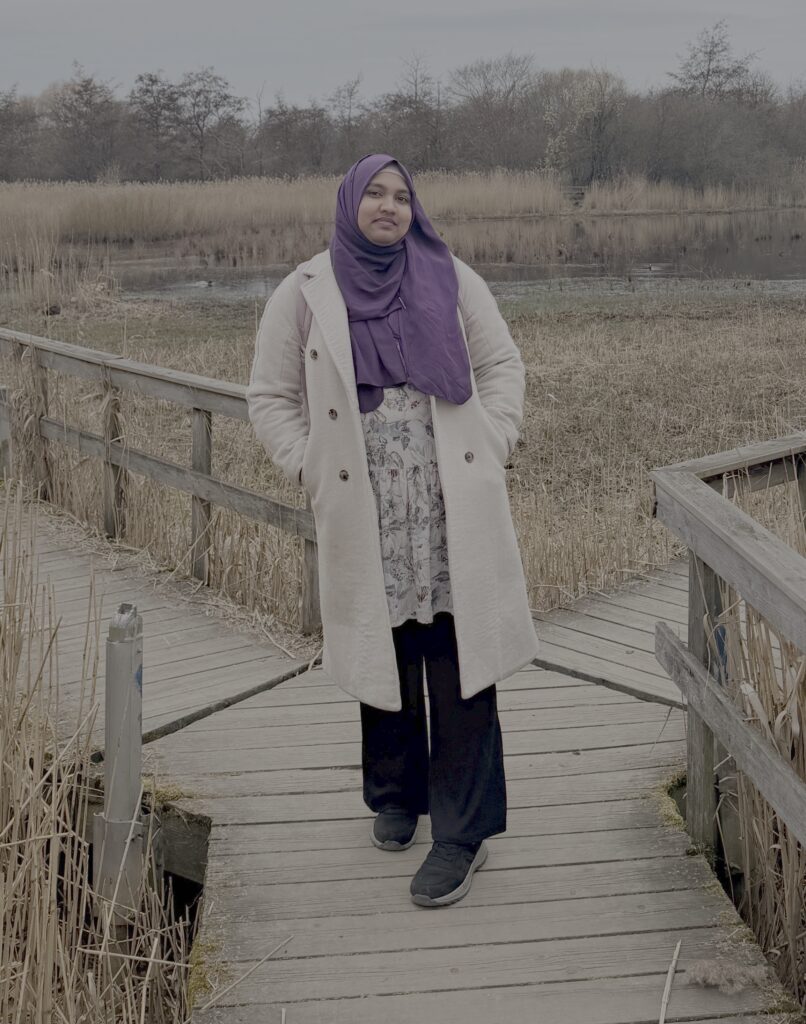
Akhi Mst Hasna Hena
Different phytoplankton groups—including green algae, diatoms, cyanobacteria, and cryptophytes—may respond differently to environmental changes due to variations in their traits. Cell size is one important trait. It is closely linked to nutrient uptake, growth, and interactions with grazers. As a result, it can strongly influence both individual performance and broader ecological processes. Environmental changes may lead to shifts in cell size within species or across different phytoplankton groups, which may have wider implications for ecosystem functioning. In this master’s thesis, I will investigate how environmental factors influence cell size in freshwater phytoplankton.
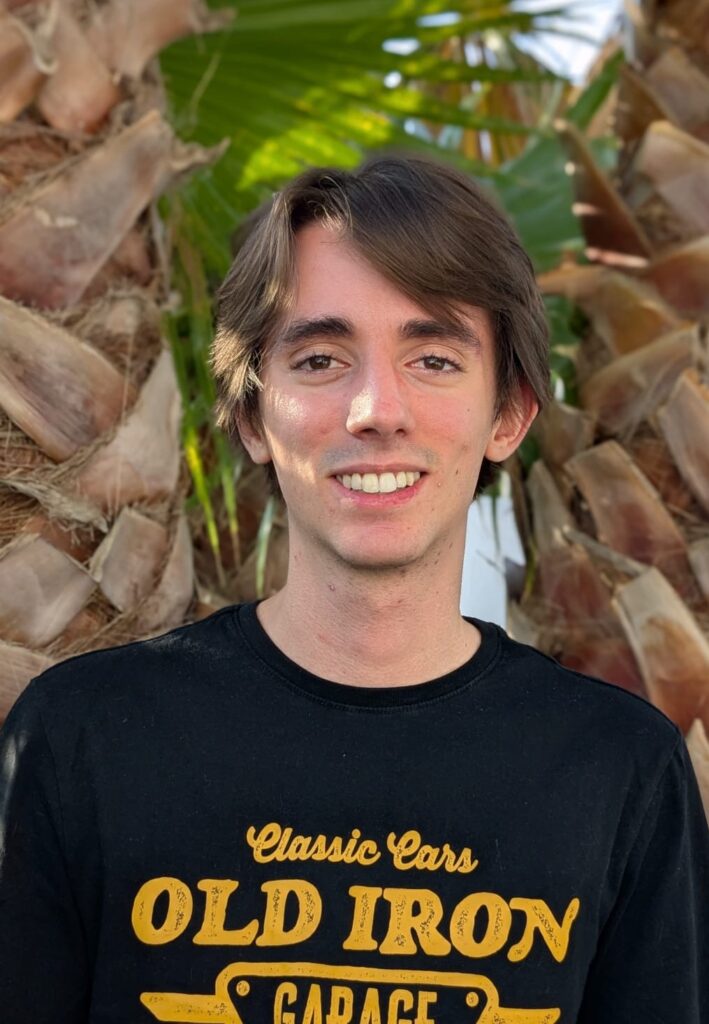
Gabriel Robin
Gabriel is a MSc student joining us from L’Institut agro renners in Angers, France for his Masters internship.
Gabriel will investigate how short-term evolution of primary producers impacts competition within the trophic level and how it impacts the transfer of nutrients across trophic levels.
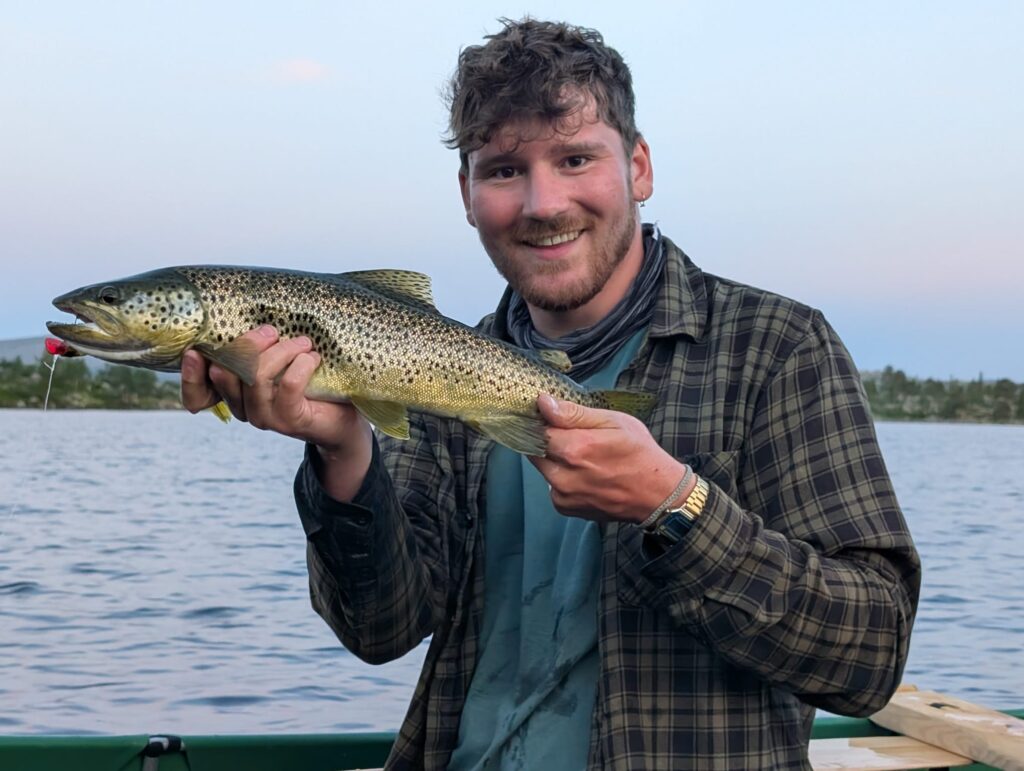
Mikael Christopher Kosmou
Despite the increasing prevalence of cyanobacterial blooms, relatively little is known about their effects on aquatic insects, particularly emerging taxa such as odonates. Damselflies (Zygoptera), which spend the majority of their life cycle as aquatic larvae before emerging as terrestrial adults, may be especially vulnerable to both toxin exposure and reduced food quality during their larval development.
The aim of my project is to explore how increasing concentrations of cyanobacteria affect damselfly larvae under controlled laboratory conditions. By exposing larvae to cyanobacteria, the project seeks to provide initial insights into the relative importance of toxin exposure versus dietary constraints, and how these factors may influence larvae.
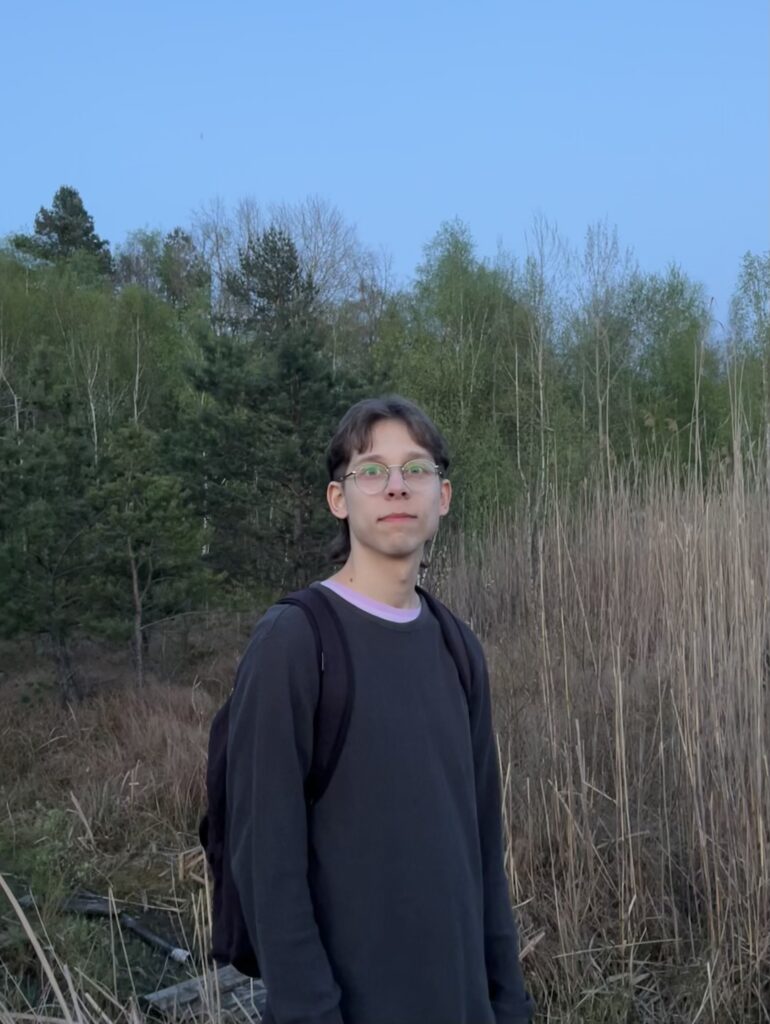
Witek Tatarewicz
Witek is obtaining a double degree from the Universities of Warsaw and Copenhagen. The practical part of his thesis will be conducted in Warsaw. In Warsaw, Witek is supervised by Anna Brednarska.
The size-structure of Daphnia communities can have broad implications for the whole ecosystem, as species of larger body sizes are more effective filter-feeders and are the preferred prey of planktivorous fish. With water temperatures growing in many freshwater ecosystems, food quality may deteriorate because of diminishing stoichiometric P:C ratio in algae that grow at higher temperatures, as well as higher frequency of blooms of cyanobacteria, which are a poor food source because of their inadequate essential lipid content.
In my thesis, I will examine the amount of triglycerides (TG) accumulated by juveniles of three differently sized Daphnia species, under varying food quality and temperature regimes.
Bachelor Students and Interns
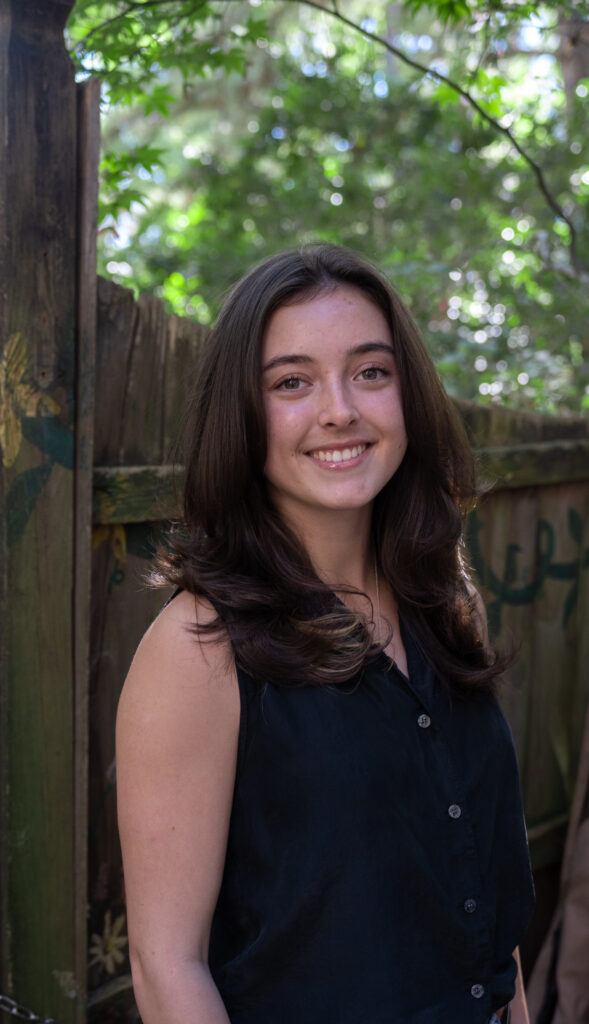
Tina Varis
Tina is visiting us as a research assistant during her studies at DIS. Back home in the US she pursues a Bachelor degree at Elon University in Environmental Science and Public Policy.
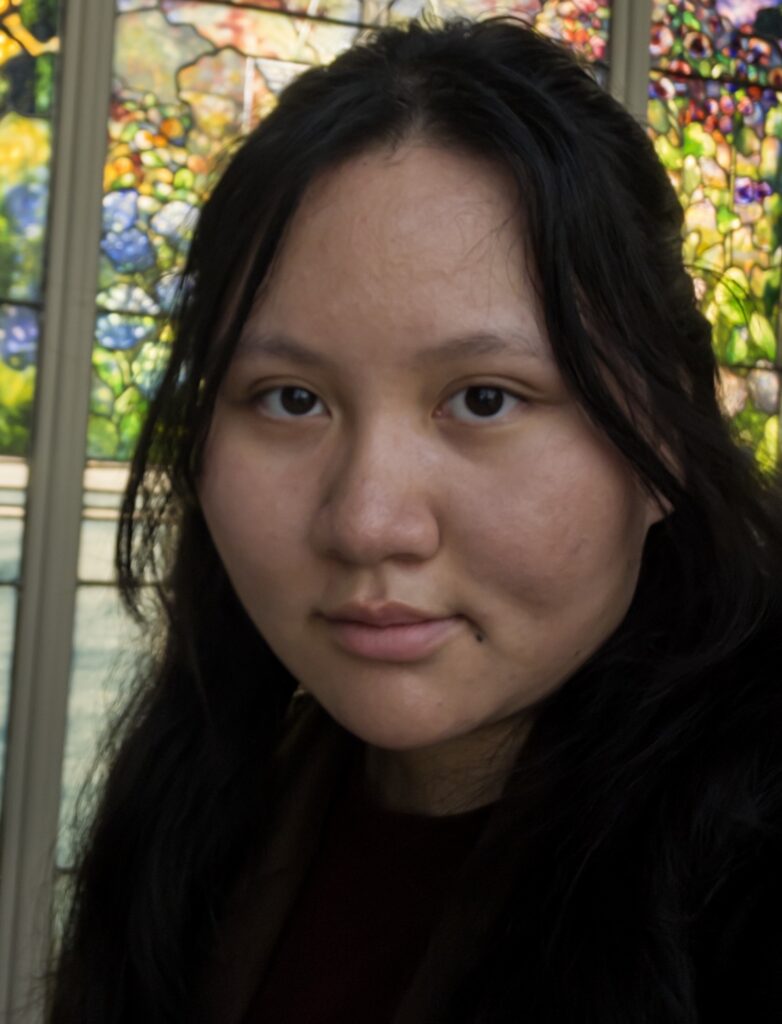
Zhengqiu Ge
Zhengqiu is visiting us as a research assistant during her studies at DIS. Back home in the US she pursues a Bachelor degree at Vassar College in Biology.
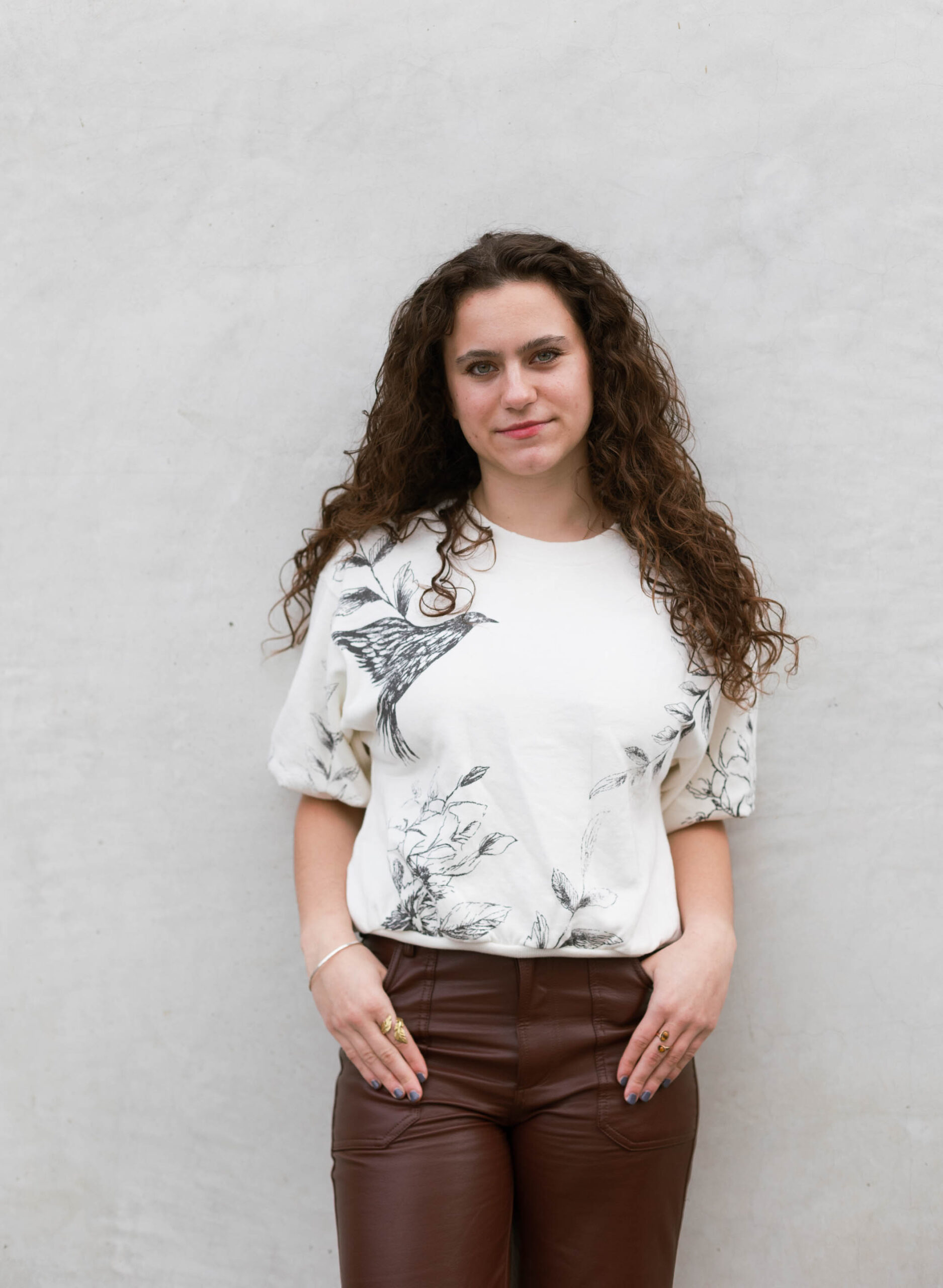
Emma Mojibi
Emma is visiting us as a research assistant during her studies at DIS. Back home in the US she pursues a Bachelor degree at Colorado college in Biology.
If you are interested in writing a BSc or MSc thesis with us or would like to do an internship, please reach out to us!