Research
Interests and Projects
Ongoing Research

Phytoplankton nutritional responses
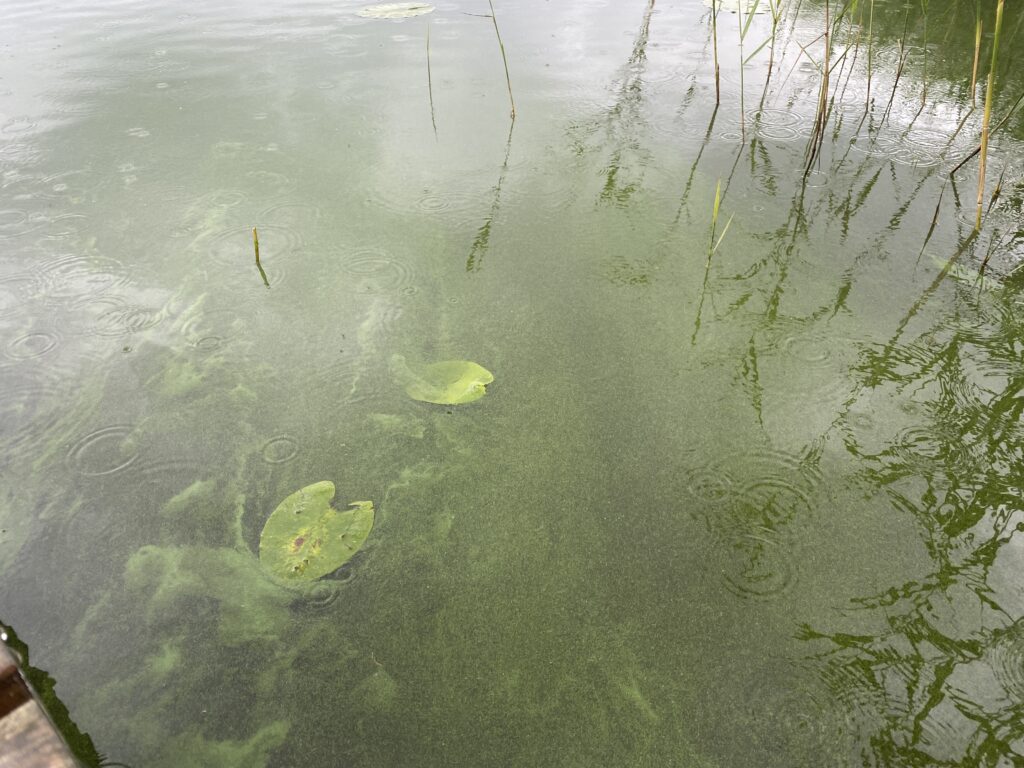
CyaNoServices- Securing freshwater supporting services for biodiversity threatened by harmful cyanobacteria across ecosystems boundaries
Cyanobacterial blooms can be a threat to insect biodiversity and their services by disrupting two fundamental freshwater supporting services: (i) resource provisioning, and (ii) habitat provisioning. First, cyanobacteria can negatively affect freshwater resource provisioning by producing potent toxic compounds for terrestrial organisms in need of freshwater resources, such as pollinators. Second, cyanobacteria can affect habitat provisioning for emerging insects by direct effects from toxins, but also by indirect effects via alterations in food web interactions. This research project is part of the international project “CyaNoServices”, with collaboration partners from Sweden, Spain and Brazil. “CyaNoServices” aims to increase the security of freshwater supporting services for biodiversity threatened by harmful cyanobacteria beyond the aquatic boundary, with a focus on insect biodiversity and the multiple key ecosystem services that they provide to wildlife and human well-being. This research project will evaluate the multiple mechanisms by which harmful cyanobacterial blooms can affect the emerging insect community via changes in habitat quality.
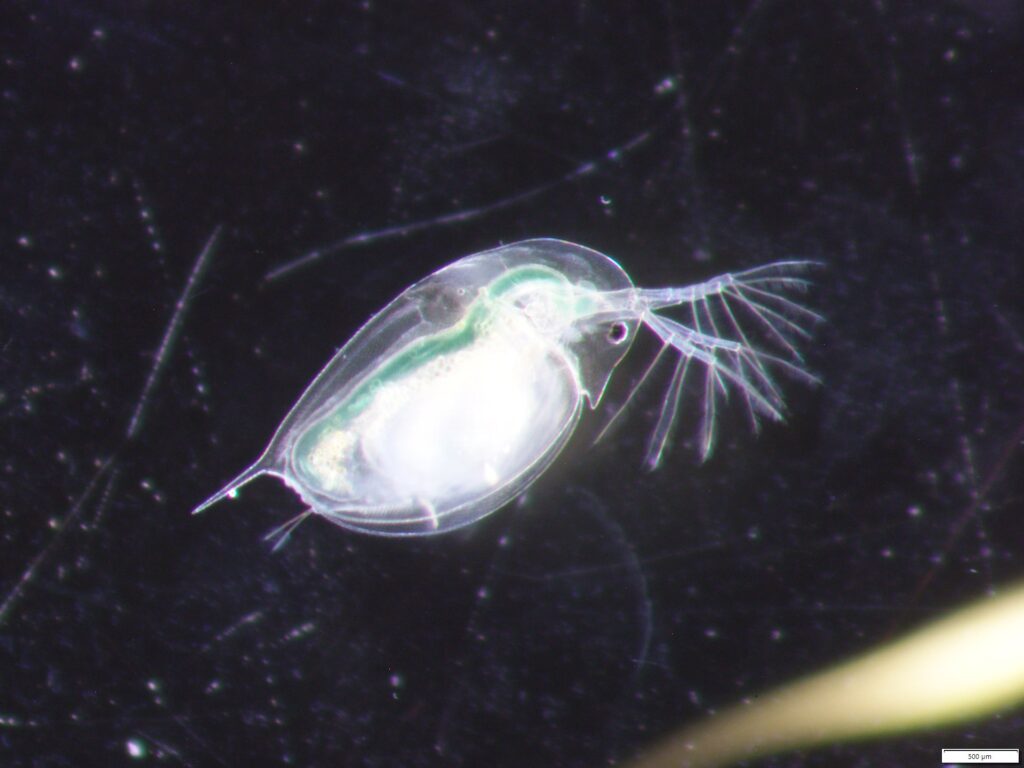
The role of nutrition in adaptive responses of Daphnia to increased salinity
Human activities are putting significant pressure on ecosystems worldwide. In freshwater systems across the northern hemisphere, one critical stressor is the rising levels of dissolved salts, or shortly salinization. This increase stems from various sources, including agriculture, mining, and road de-icing, leading to year-round high salinity levels. Freshwater organisms are known to suffer from elevated salt levels, yet there is evidence that some can develop adaptive responses. For example, the keystone herbivore Daphnia has shown signs of salinity tolerance linked closely to diet quality. Daphnia’s tolerance to salt potentially depends on its lipid intake, particularly sterols, which play a critical role in mediating salt resilience.
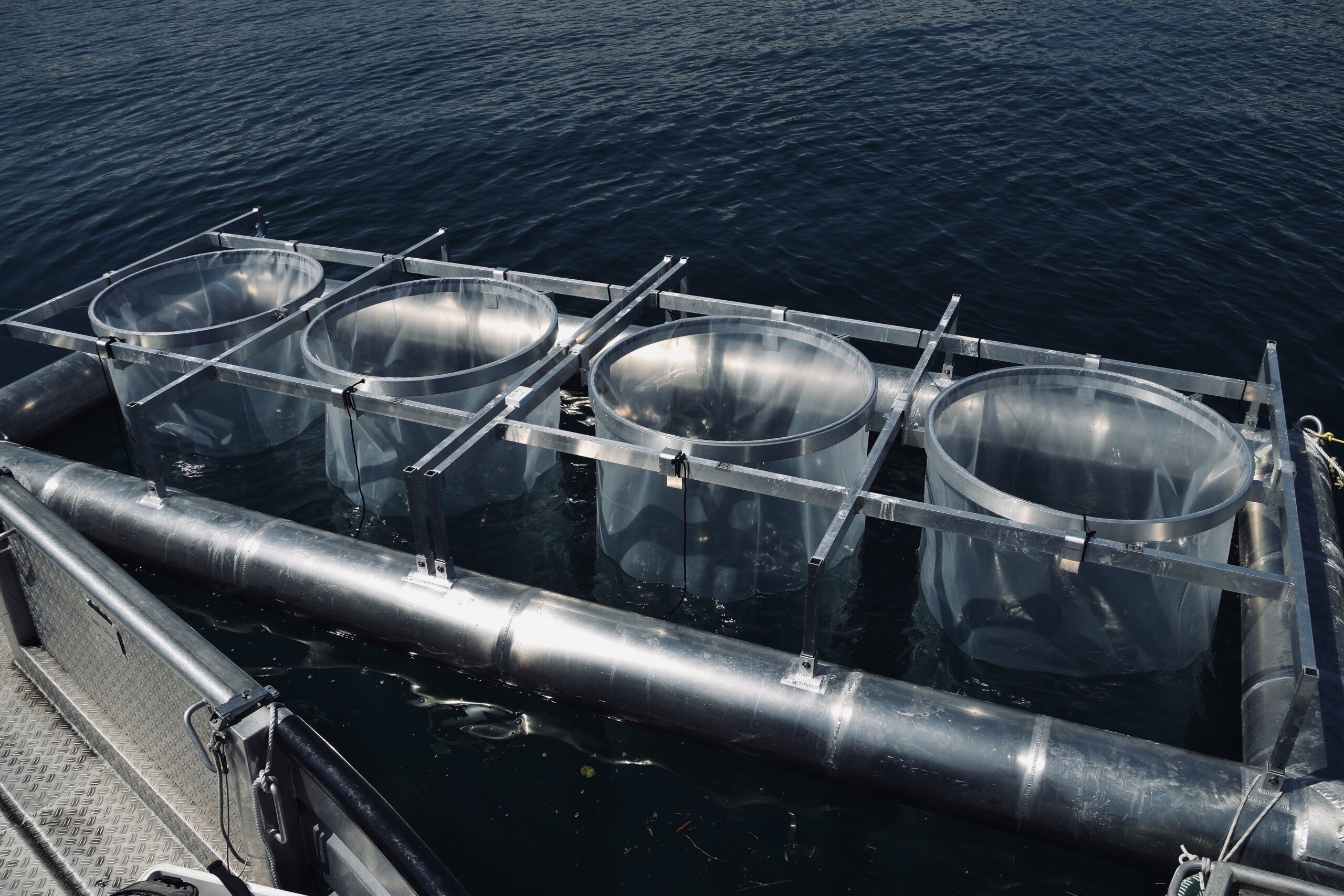
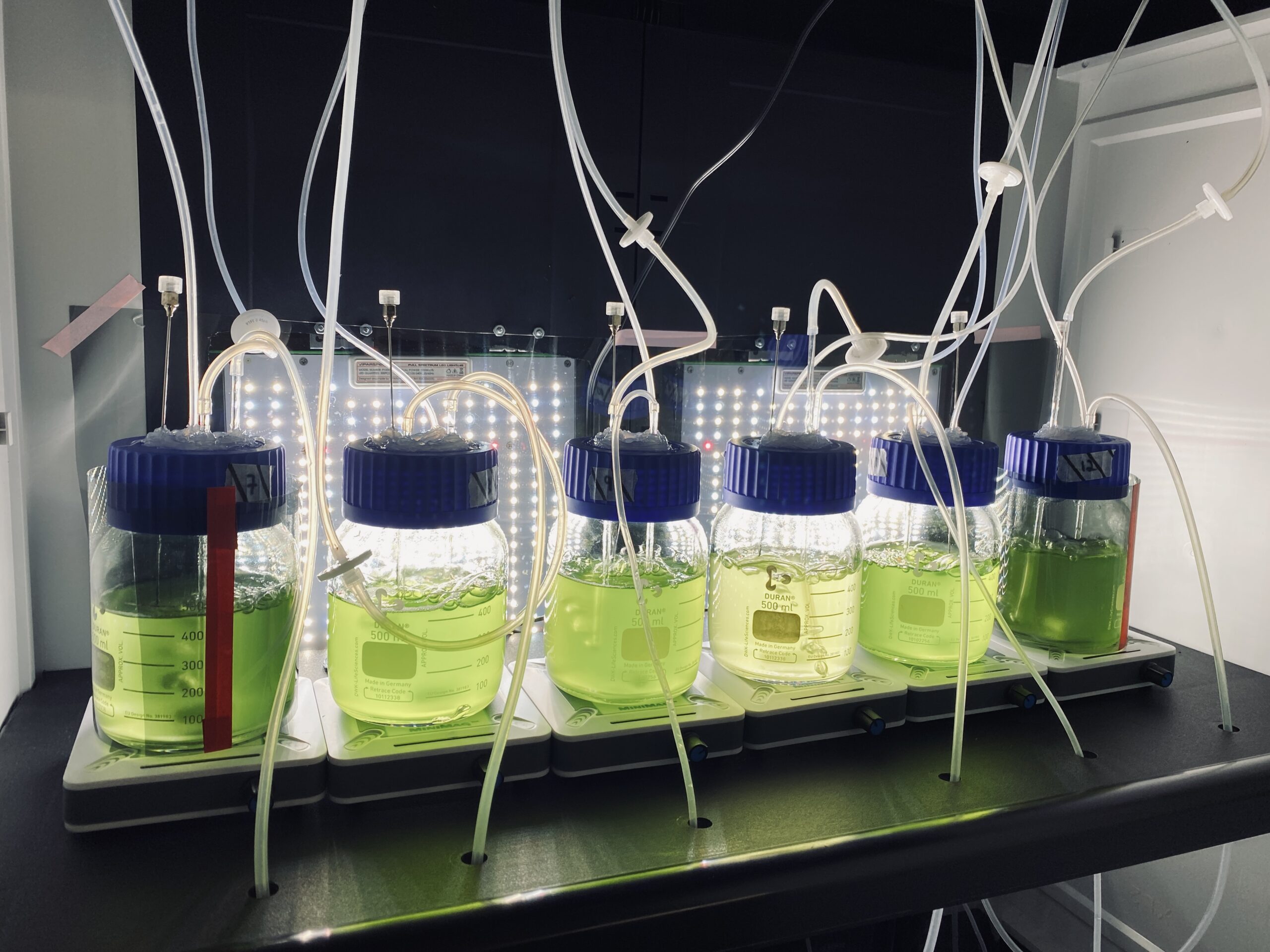
In this project, we are investigating how nutrition contributes to salt tolerance adaptations. To explore this, we’re using resurrected Daphniagenotypes from a salinized lake, which show signs of genetic adaptation to elevated salinity. Our key questions include: How does nutrient availability influence Daphnia’s tolerance to salt? What are the molecular mechanisms behind its phenotypic responses to increased salinity? What are the potential costs of this adaptation, such as increased vulnerability to Cyanobacteria? To address these questions, we are conducting a range of phenotypic assays and molecular analyses in both lab and mesocosm environments. We hope that our findings will shed light on organisms’ potential to adapt to anthropogenic pressure, help refine predictions for ecosystem resilience and inform guidelines for recommended chloride levels in freshwater lakes.
Previous Research
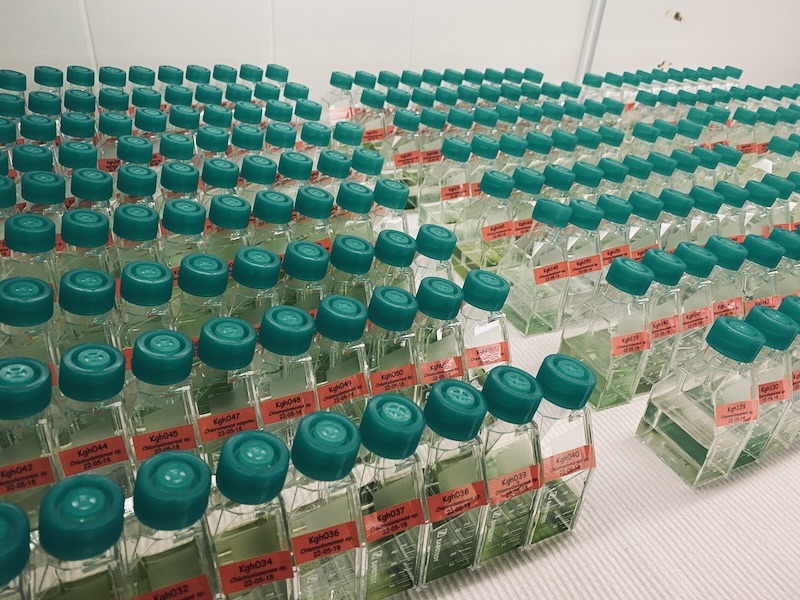
Phenotypic Plasticity and Evolvability
Road Salt

Ecological Stoichiometry
Evolution of grazer resistance
